
Contact Us
AI is changing what employers need from new hires. Knowing the tools is no longer enough. Graduates need to question, judge and apply what AI produces.
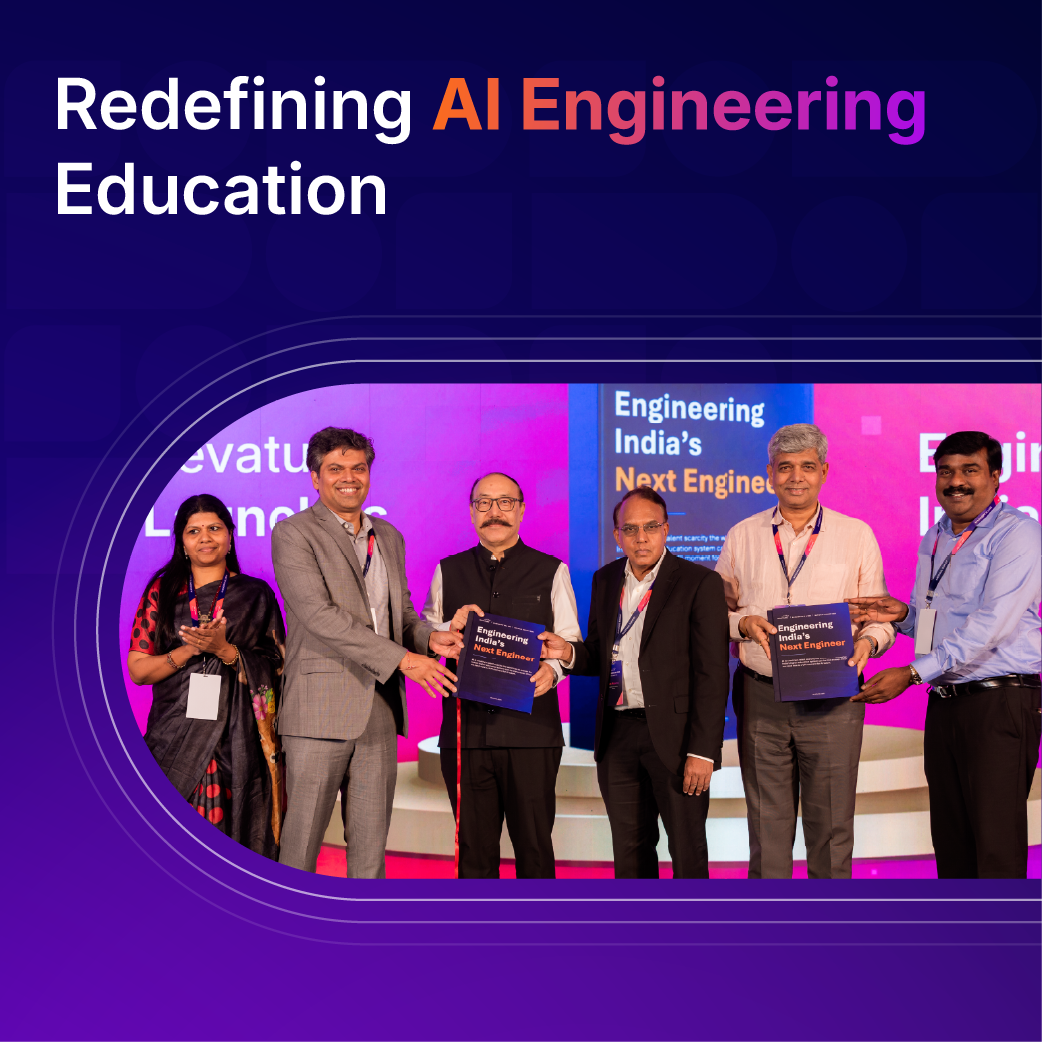
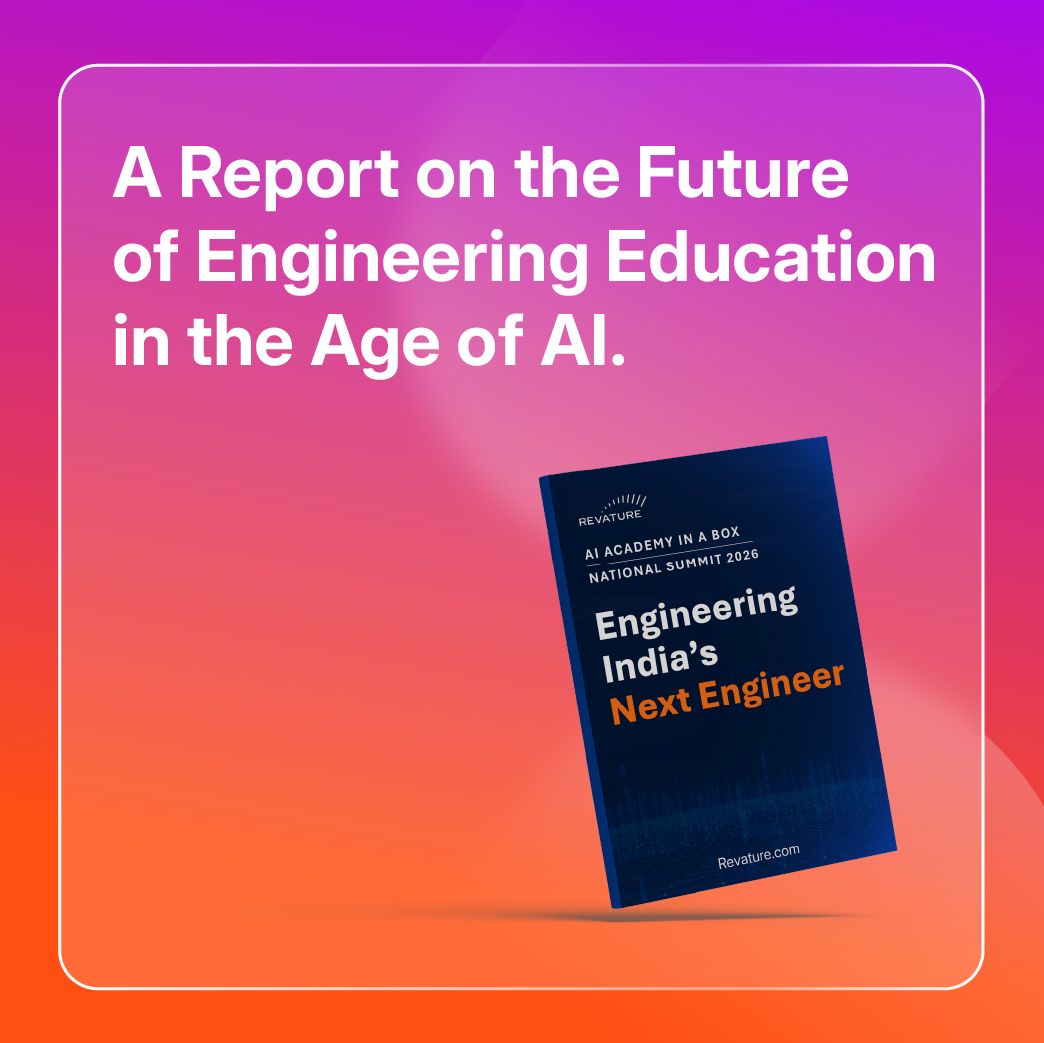
At the AI Academy in a Box National Summit 2026, hosted by Revature in Chennai on August 4, leaders from Infosys, Cognizant, ETS, Revature and Bank of America discussed how AI is reshaping hiring, talent development and engineering careers. AI Academy in a Box is Revature’s program that helps engineering institutions bring industry-aligned AI learning to their campuses. The discussion comes as companies finalize campus hiring plans for 2027 graduates and institutions shape the programs that prepare them.
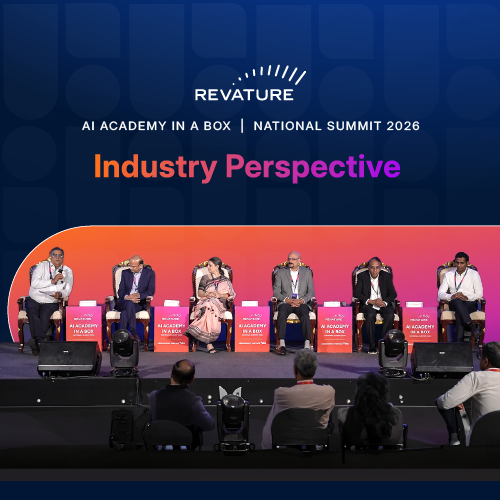
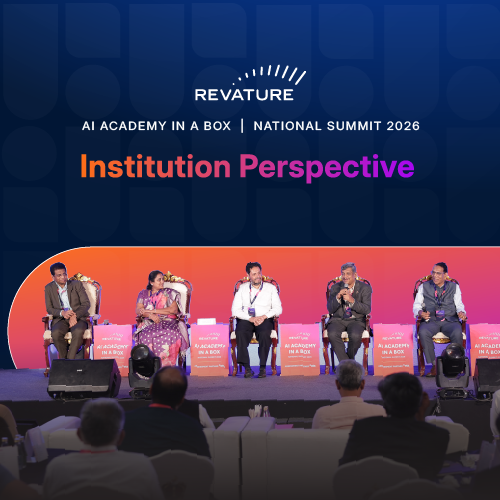
The Industry Perspective panel explored three questions: how AI is changing the nature of work, what employers now look for in entry-level talent, and how industry and academia can close the skills gap together.
The panel, moderated by Ramkumar Ramamoorthy, Partner at Catalincs, agreed that AI is redefining roles, not just automating tasks. Three shifts stood out:
Panelists noted that repetitive work is increasingly automated. Human capabilities such as adaptability, critical thinking and sound judgment matter more than ever, and both kinds of AI adoption require continuous reskilling and strong technical foundations.
Dinesh Jeyaraj, Vice President, Human Resources at Bank of America, explained how regulated industries approach AI differently. In banking, adoption is deliberate and responsible, and humans retain oversight and final decision-making authority.
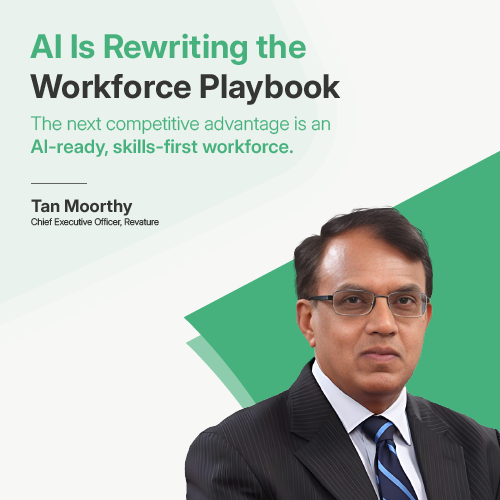
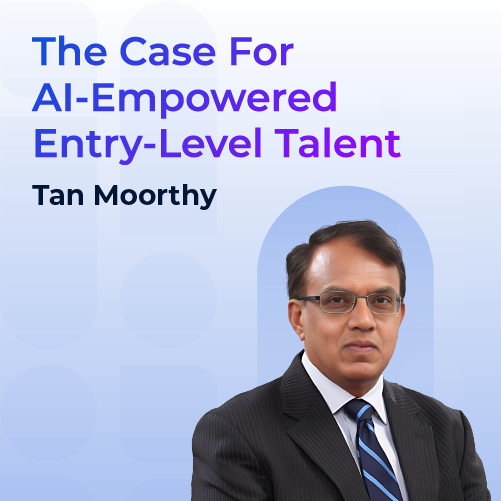
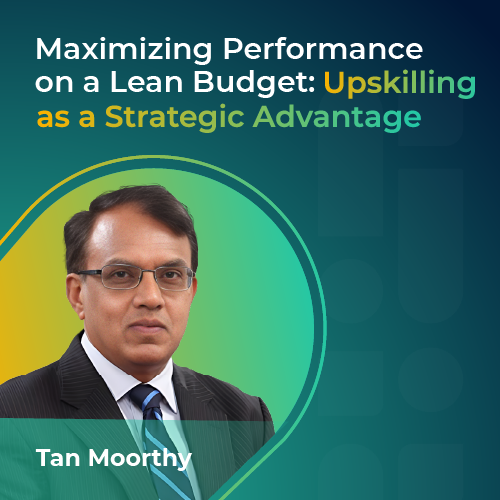
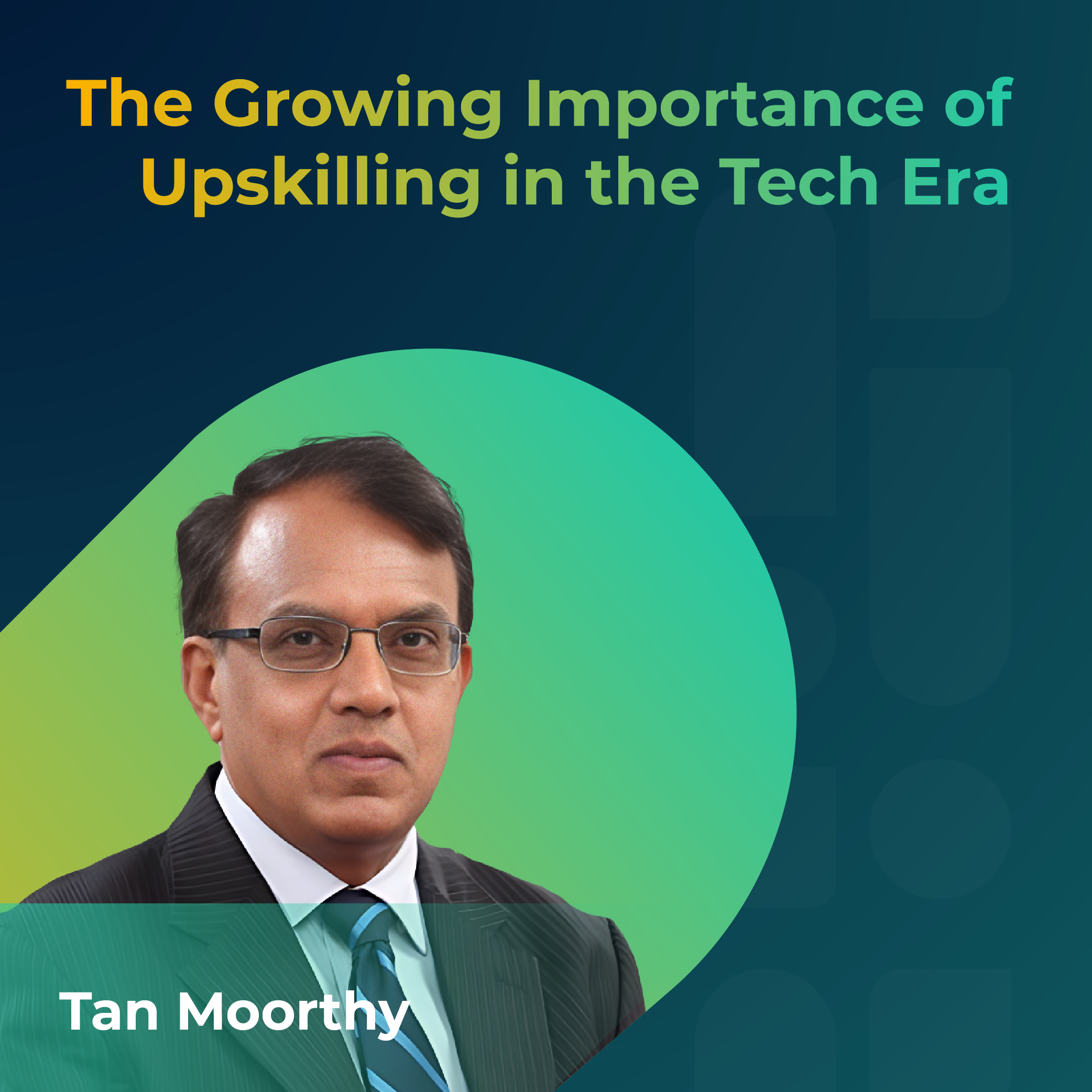
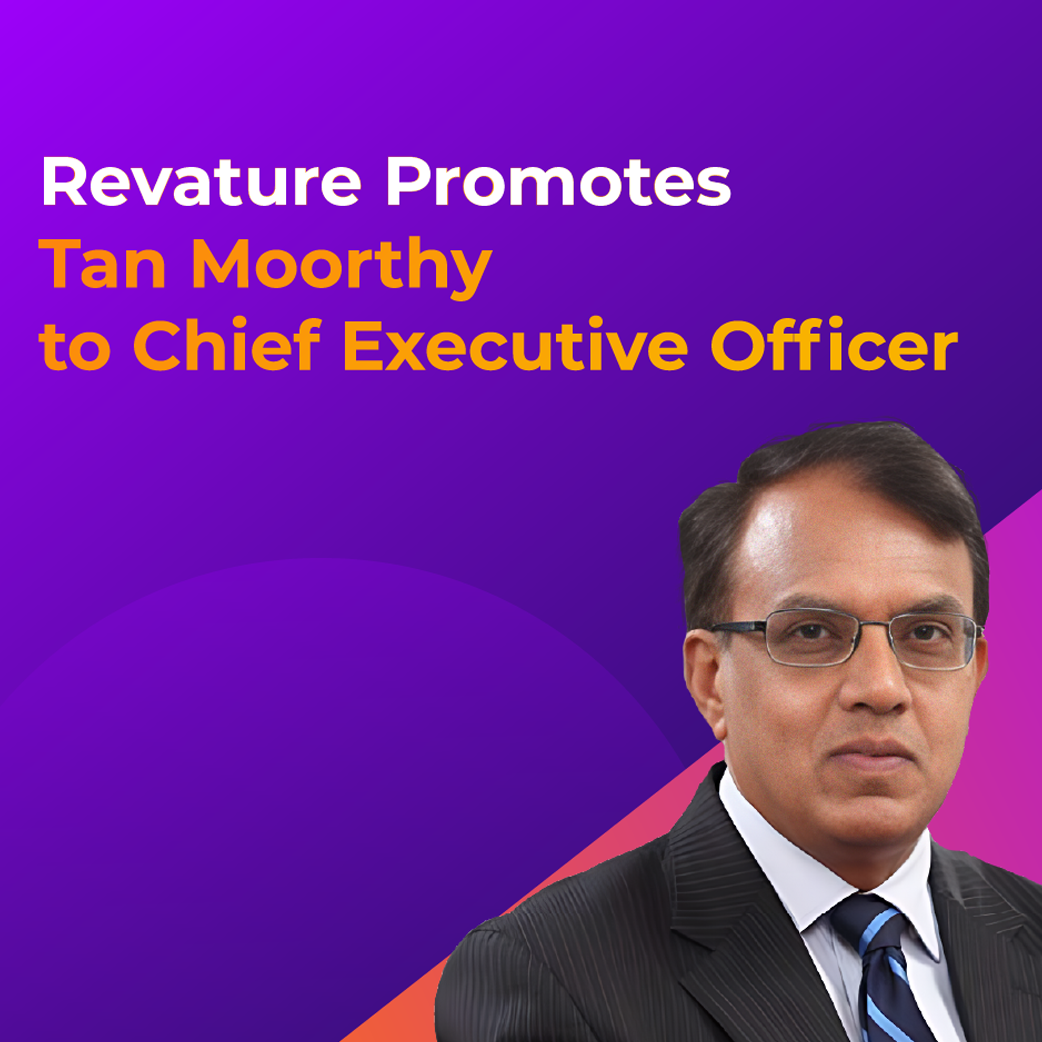
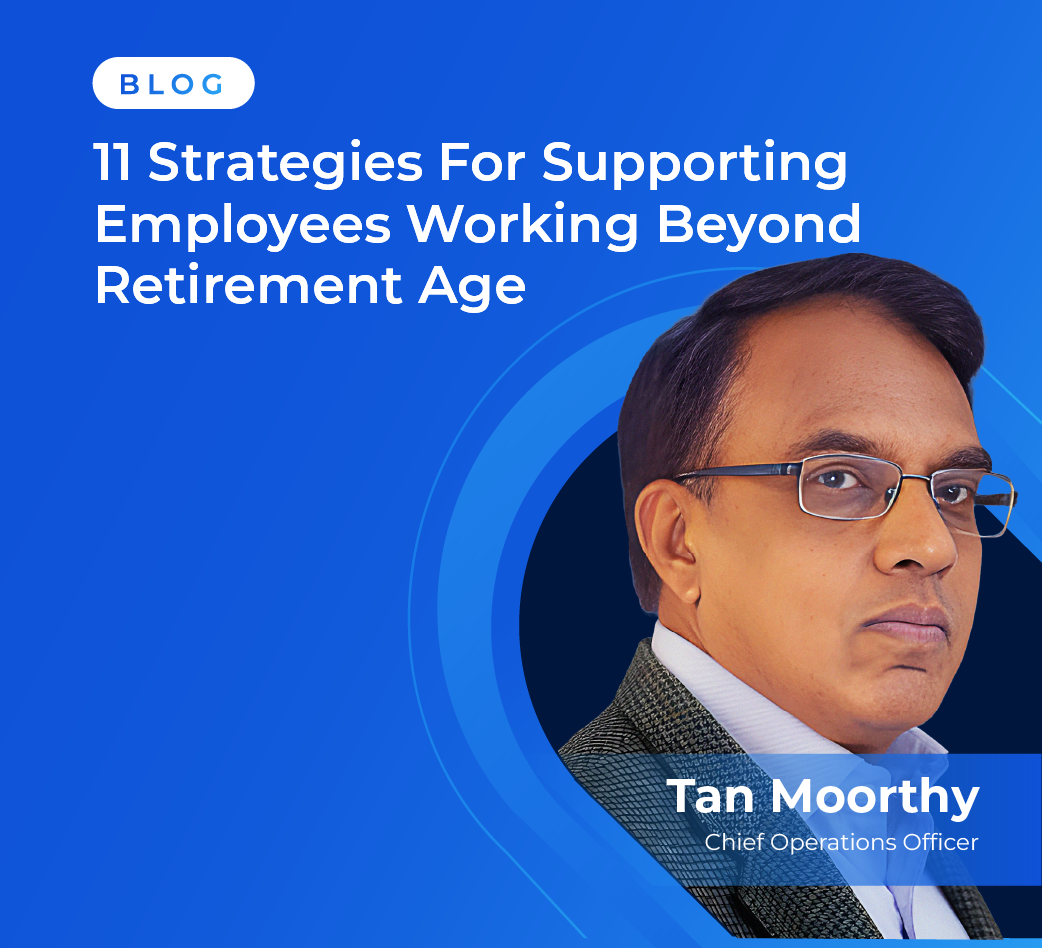
Tan Moorthy, CEO of Revature, named four capabilities every software graduate needs: coding, critical thinking, communication and collaboration. He argued that critical thinking and structured communication are where software graduates most need to grow to meet global workplace expectations.
Varadharaj V, Senior Vice President and Global Head of Talent Acquisition at Infosys, and Singaravelu Ekambaram, Global Head of Delivery, Americas, at Cognizant, described how campus recruitment is changing. Employers increasingly assess candidates on learning agility, problem-solving and the ability to apply knowledge, not just recall it.
Mona Agarwal, Managing Director at ETS, the summit’s Assessment Partner, discussed what this means for assessment. AI-assisted assessments, panelists stressed, must still test genuine human judgment, including the ability to question AI-generated outputs and recognize bias.
One theme ran through the entire discussion: employers and institutions need to work far more closely together.
Panelists called for continuous industry involvement in curriculum design, practical learning, assessment and talent development, starting early in a student’s education. Asked to name the most important skills for the next generation, they pointed to critical evaluation of AI-generated outputs, complex problem-solving, curiosity and design thinking. These skills will only grow in value as AI takes on more routine execution.
Based on the panel’s discussion, we see four practical moves for leaders planning their next talent strategy:
The panel left a clear message: preparing talent for the AI era takes more than teaching new tools. It takes applied capabilities, continuous learning and education shaped by what industry actually needs.
AI-native engineers are those who can build with AI, evaluate what it produces and supervise it responsibly. Developing them means narrowing the distance between what graduates learn and what employers need, a gap Revature has spent years closing for enterprises.
Through AI Academy in a Box, Revature connects institutions with enterprise workforce requirements, helping institutions produce AI-native engineers who are ready for enterprise work on their first day.

Share